ProxAI
AI Generated Protein Binder

DESIGN.
MODULATE.
VALIDATE.

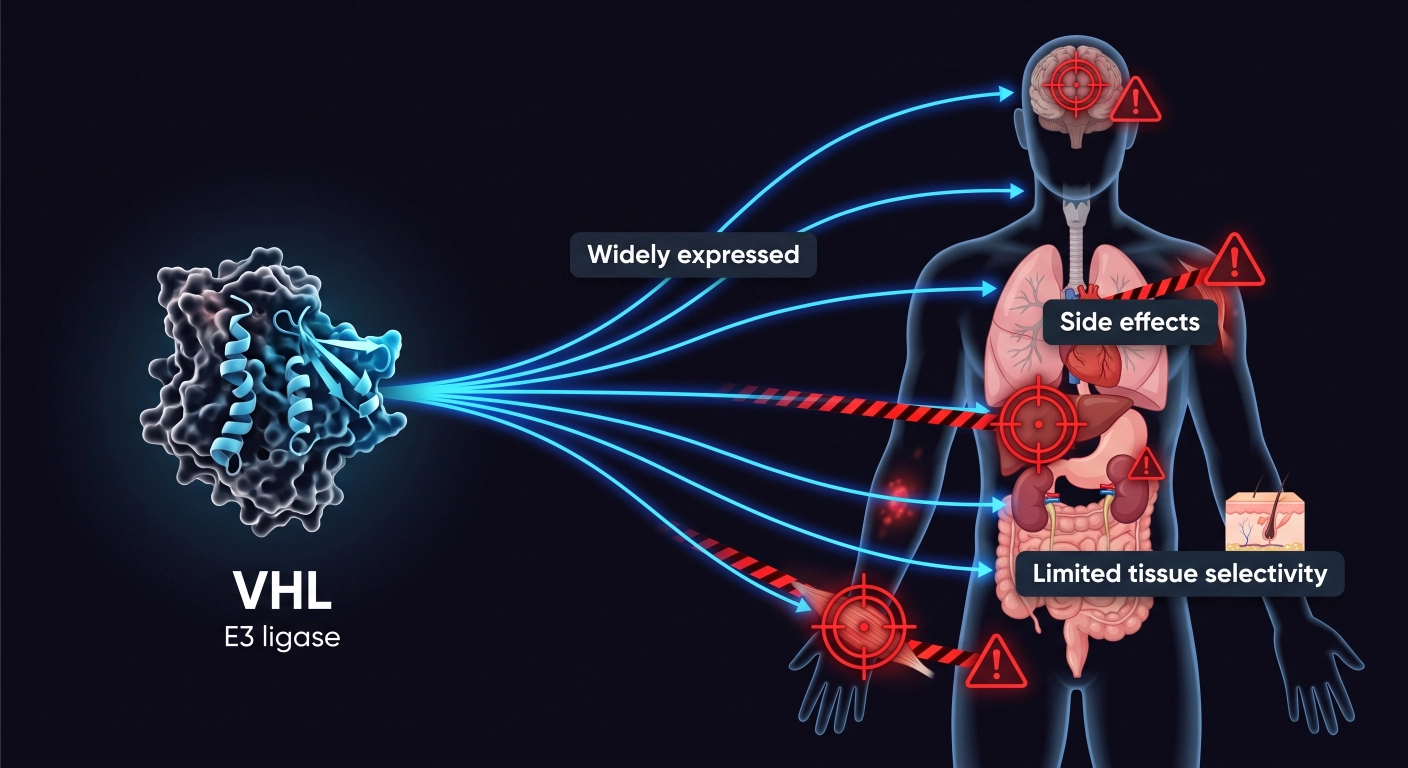
Your knockout takes the whole protein. Your small molecule needs a pocket it can't find. There's a third option. The tool just wasn't available yet.

Institutional Anchors & Collaborators
IRCM
D3
UdeM
&
McGill
Binder Accessibility

There is a tool for your target. Nobody told you.

As a scientist, you might not have been told that engineered protein binders are an option for your research. This is not a gap in your training. It is a gap in how the field communicates.

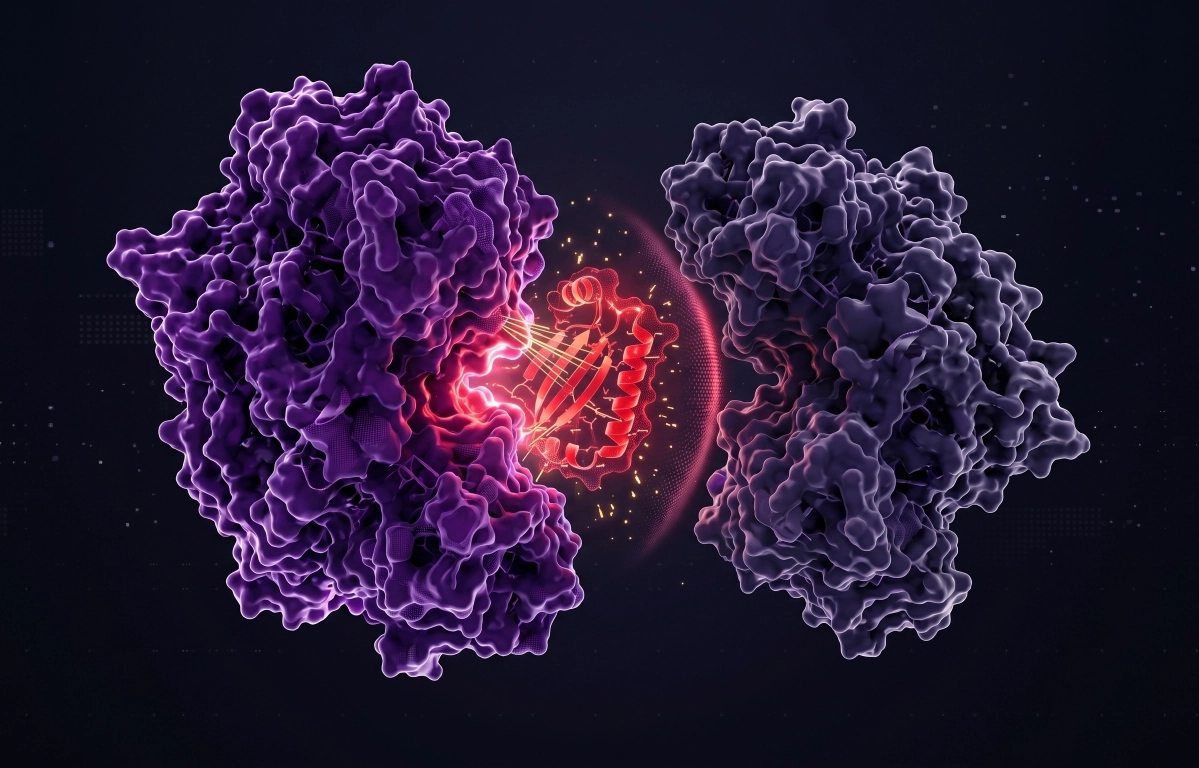
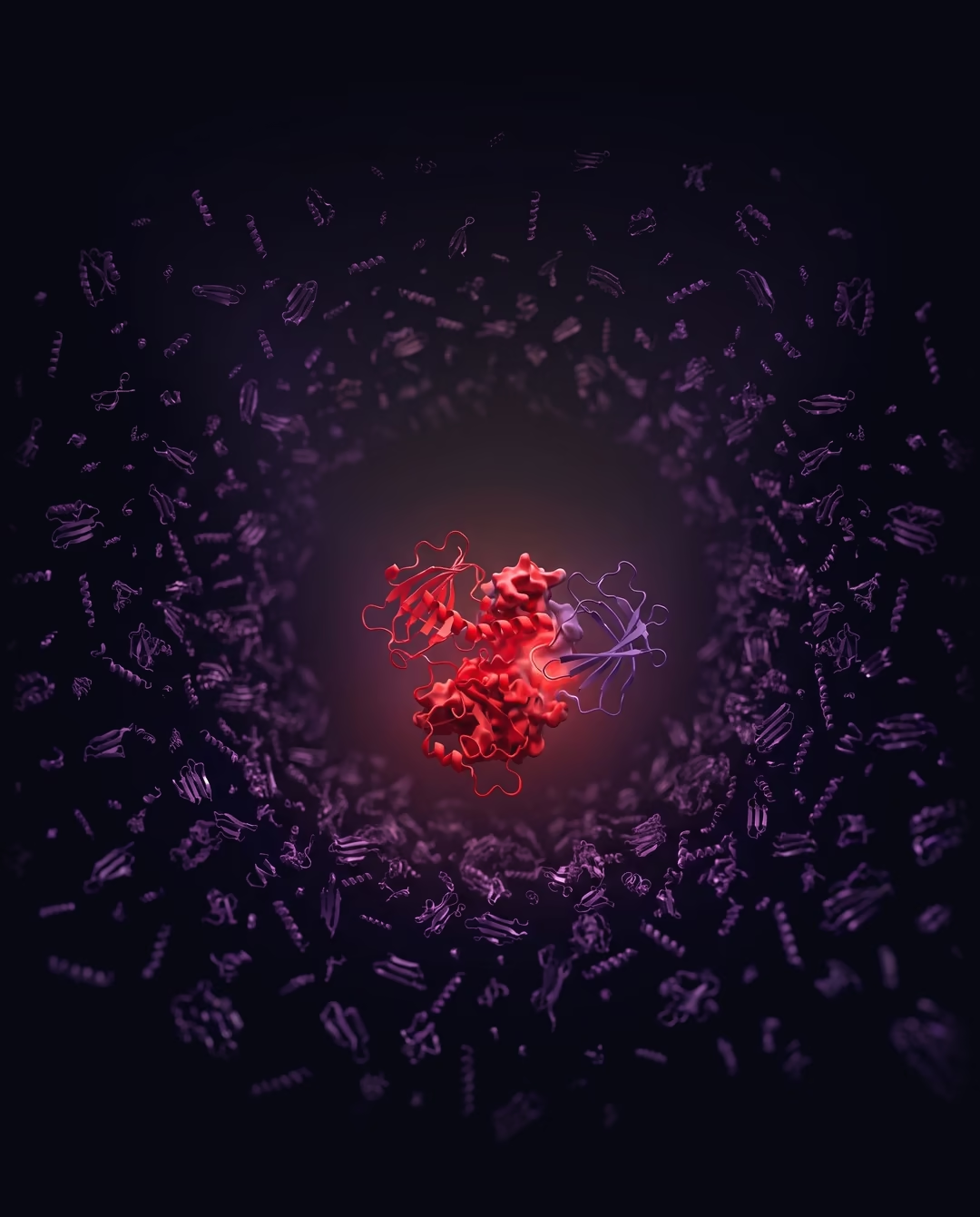
A protein binder is a precision molecular tool designed to engage one surface on one protein. You can finally disrupt the interaction you have been circling for years without needing a pocket, without a KO, and without off target noise. You now have access to technology that has been out of reach.

Engineered high-affinity binder
01 // Your Domain

You already know the biology of your target.

You know the pathway, the interaction, and the phenotype you are after. You do not need to know how to design binders. You only need to bring the question and receive the engineered answer.

02 // Your Blueprint

No structural biology team needed.

Submit your target brief and describe the interaction you want to disrupt. Your project moves seamlessly through generative design, DEL synthesis, affinity selection, and cellular validation.

03 // Your Bench

Results that fit into your existing assays.

Receive cell validated binders as research ready reagents. You will not have to learn a new workflow or buy new equipment. You get the precise perturbation your experiment has been waiting for.

You describe the question. You receive
the tool.

One surface. Target the interface directly with no pocket geometry required.

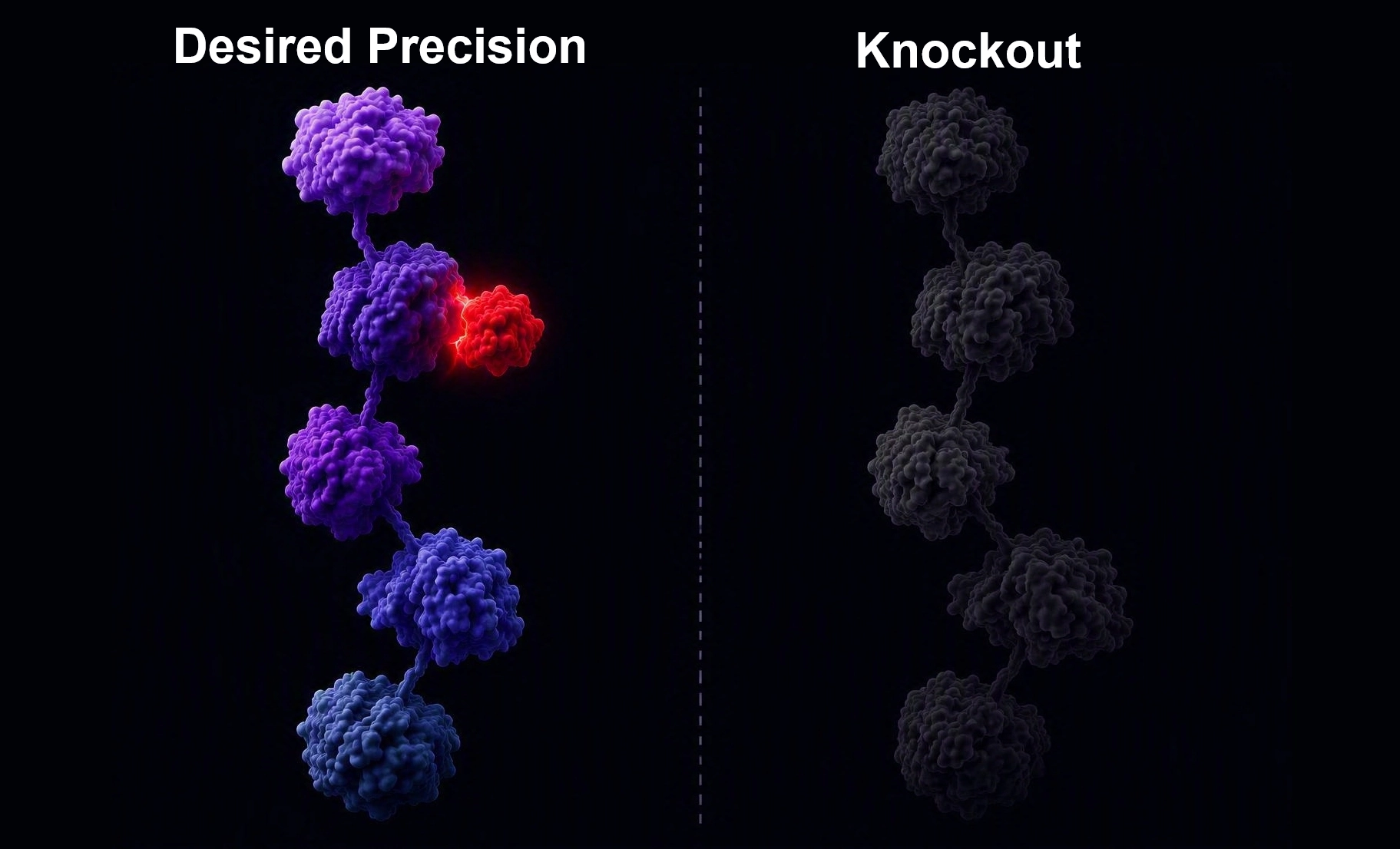
One domain. Silence the function you care about while the rest of your protein stays intact.

Cell validated. Confirmed by a cell-based assay before it reaches your bench.

End-To-End Execution

Other platforms stop at the prediction.
This one doesn't.

A highly reproducible milestone framework tailored to your program's specific binding parameters. Progress is measured by data generation, not arbitrary timelines.

Phase 01 Intake

Target Mapping

Partners securely upload structural files via our air-gapped intake portal. The ProxAI engine maps the exact geometric coordinates and uncovers hidden interaction hotspots on flat surfaces.

Key Milestone: Complete interface topology profile and custom chassis selection.
Phase 02 Dry-Lab

Generative Design

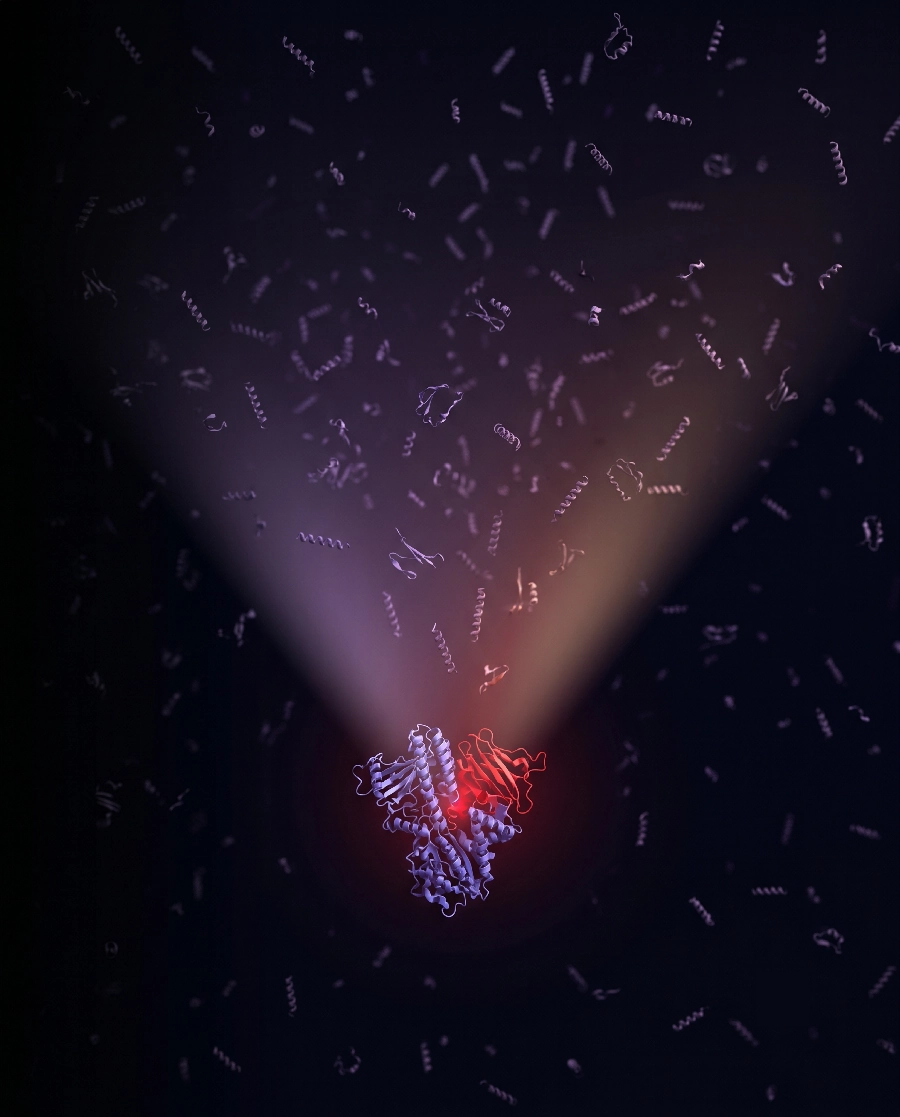
Our deep learning models generate over 100,000 completely de novo candidate sequences custom-tailored to bind exclusively with the identified hotspot geometry.

Key Milestone: High-diversity barcoded sequence library generation.
Phase 03 Wet-Lab

Assay Screening

The library shifts to physical cell systems. Using automated multi-parameter FACS tracking, we screen millions of cellular variants in real-time, pulling out elite binders, regardless if your target is intracellular.

Key Milestone: Next-Generation Sequencing (NGS) code recovery of real hits.
Phase 04 Delivery

Lead Handover

Top binder assets undergo meticulous characterization, and cross-reactive safety assays to ensure absolute specificity. Access data through our secured portal.

Key Milestone: Validated, sequence-complete lead candidate package delivery.

Your interface picks the chassis.

Not catalog-first. Target-first.
Four binder chassis, chosen strictly on the merits of your binding interface.

Binder Repertoire
Antibody Fragments
Chassis 01

Antibody

Fab / scFv designs with established manufacturing and regulatory precedent.

Best For: Extracellular targets and therapeutic translation.
Use Cases:
IND-enabling biologic Therapeutic translation Diagnostics & Lab Reagents
Nanobodies
Chassis 02

Nanobody

Single-domain VHH framework with camelid-derived loop flexibility.

Best For: Concave epitopes, cryptic pockets, intrabody applications.
Use Cases:
Cryptic epitope PPI disruptor bioPROTAC mRNA-ENCODED
Minibinders
Chassis 03

Minibinders

De novo scaffolds offering high stability and precise interface targeting.

Best For: Compact and hydrophobic interfaces. Highly stable.
Use Cases:
PPI disruptor Intracellular bioPROTAC mRNA-ENCODED
Cyclic Peptides
Chassis 04

Cyclic Peptides

Constrained macrocycles with cell permeability and oral bioavailability potential.

Best For: Flat PPI interfaces and shallow groove binding. Cell penetration.
Use Cases:
Ortho & Allosteric ligand Payload vector (PDC)

Disrupt the interaction.
Or eliminate the protein.

By exploiting native cellular regulation mechanisms, you can engineer high-precision binders to execute completely distinct therapeutic modalities.

PPI Inhibition
Modulator 01

PPI Inhibition

Direct, high-affinity competitive disruption of targeted protein-protein interaction interfaces. Our binders act as physical shields, shutting down down-stream oncogenic signaling across traditionally undruggable flat surfaces.

Applicable Architectures:
Minibinders Cyclic Peptides Nanobodies
Induced Proximity
Modulator 02

Induced Proximity

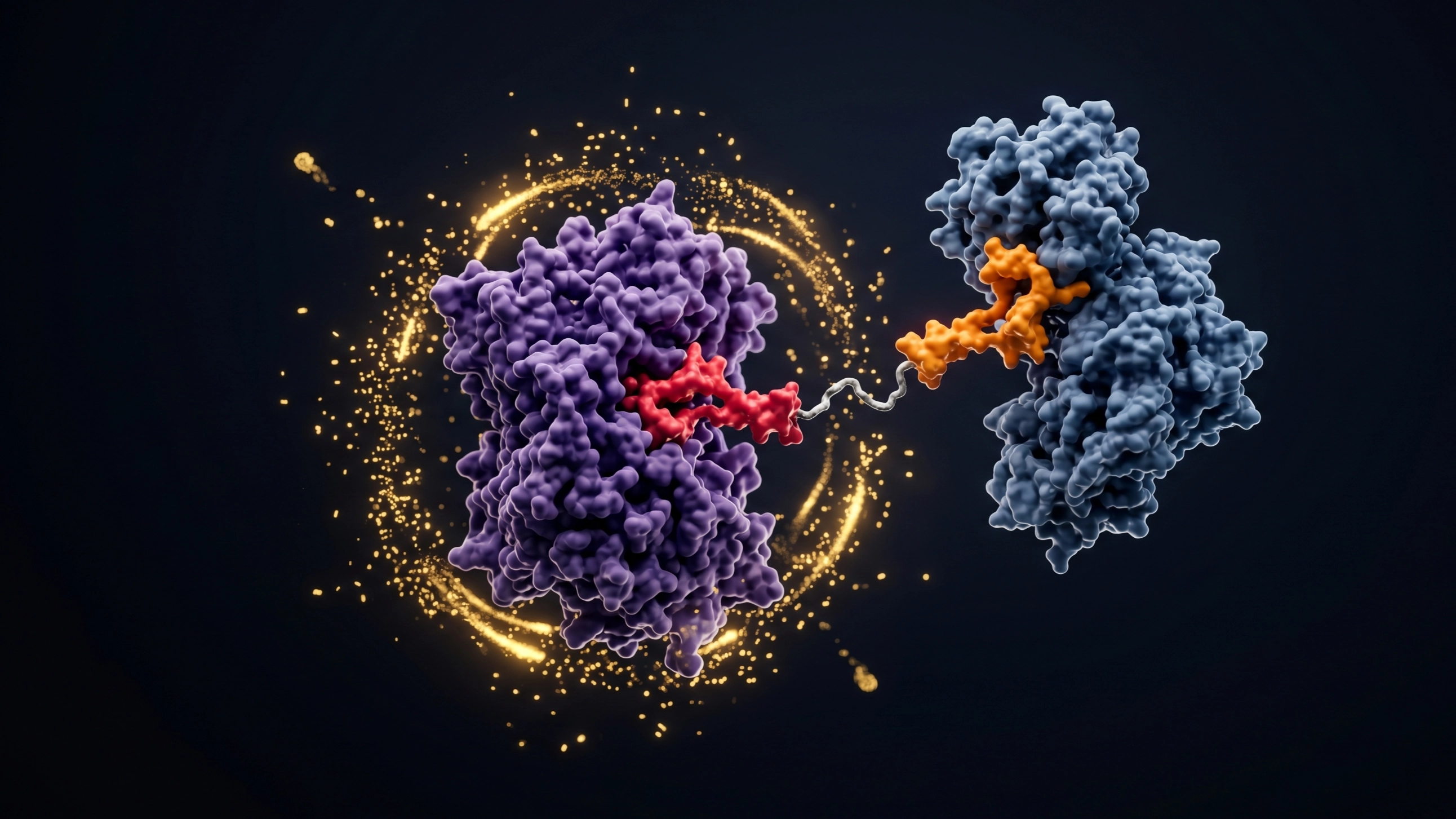
Bifunctional chimera systems that hijack native cell biology. By mechanically cross-linking your target straight to intracellular degradation machineries, we achieve complete catalytic elimination of the target protein.

Supported Pathways:
bioPROTAC (Proteasomal) LYTAC (Endo-Lysosomal) AUTAC (Autophagy)

We ran it.
Here are the results.

Real-time performance metrics from the ProxAI Engine.
From sequence design to Validated Lead.

100k+ Designs/Cycle
150pM Target KD

Kinetic Benchmark: CDC20

150.4 pM Binding Affinity (KD)
Association 4.2e5
Dissociation 6.3e-5
R-Max 124 RU

Structural Precision

Structural Precision

Comparing AI-Fold to Ground Truth

0.72 Å Mean RMSD

The people behind the engine.
All scientists first.

Engineered by pioneers at the intersection of generative deep learning and cell biology.
Backed by industry-leading clinical translational expertise.

Dr. Jonathan Boulais

Dr. Jonathan Boulais

CEO & Co-Founder

Architect of the ProxAI generative engine. Computational cell biologist specializing in Protein-Protein Interactions and proteomics data analysis.

PhD IRCM UdeM
Dr. Luc English

Dr. Luc English

CSO & Co-Founder

Pioneer in protein degradation and immunology. Leads the high-throughput experimental validation loop for all in-house modalities.

PhD IRCM RECEPTOR
Advisory Board
Dr. François-Thomas Michaud

Dr. François-Thomas Michaud

Scientific & Business Advisor

Guides late-stage lead optimization and IND-enabling strategies. Provides business guidance.

PhD CEO FELDA
Dr. Michel Desjardins

Dr. Michel Desjardins

Scientific Advisor

Full professor at the University of Montreal. Leader in immunology and Parkinson's disease research.

PhD UdeM
Dr. Jean-François Côté

Dr. Jean-François Côté

Scientific Advisor

President and Scientific Director at the IRCM. Full professor at the University of Montreal. Leader in biomolecules and oncology research.

PhD IRCM
Dr. Mika Guérard

Dr. Mika Guérard

Scientific & Business Advisor

Guides late-stage lead optimization and IND-enabling strategies for induced proximity targets.

PhD STRATEGY
Marina Massingham

Marina Massingham

Business Advisor

Seasoned leader with broad experience across strategy, marketing, talent management, and operational roles within the digital health, biotech, and pharmaceutical industries.

MBA HEALTH TECH
Margareth Bywater-Ekegärd

Margareth Bywater-Ekegärd

Scientific & Business Advisor

Seasoned biotech entrepreneur with 30+ years founding, scaling, and commercializing innovative life science technologies. Leader in industrialization and market launches.

COMMERCIAL BIOTECH
Secure Communication Channel

It starts here.
Your target does the rest.

Connect with our business development and scientific advisory teams.
Submit your details below to schedule an exploratory briefing and initiate mutual NDAs.

Protocol: Encrypted Pre-NDA Channel

Operational HQ

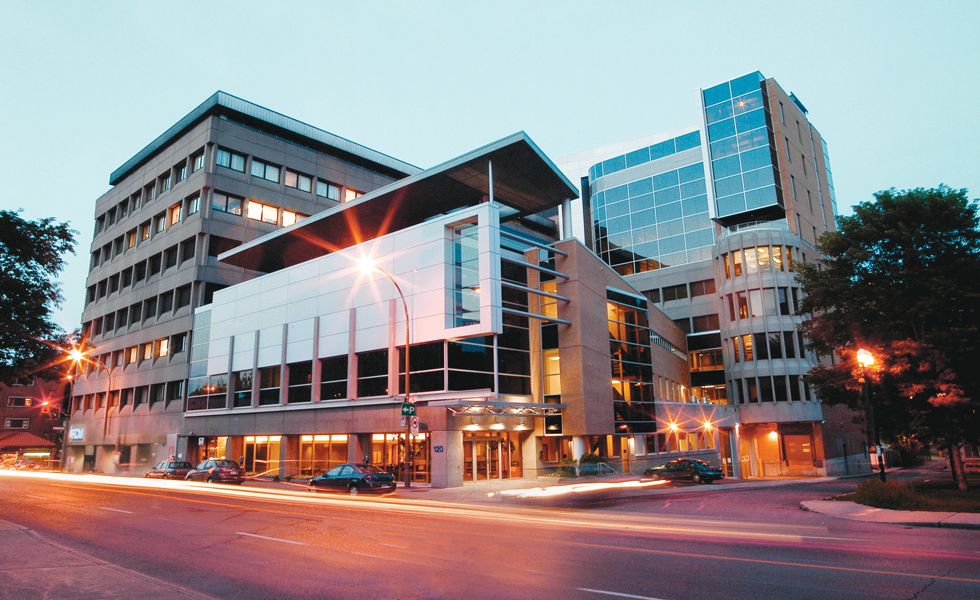
Montreal Clinical Research Institute (IRCM)
IRCM Building - ProxAI Headquarters IRCM Logo

> Wet Lab Infrastructure

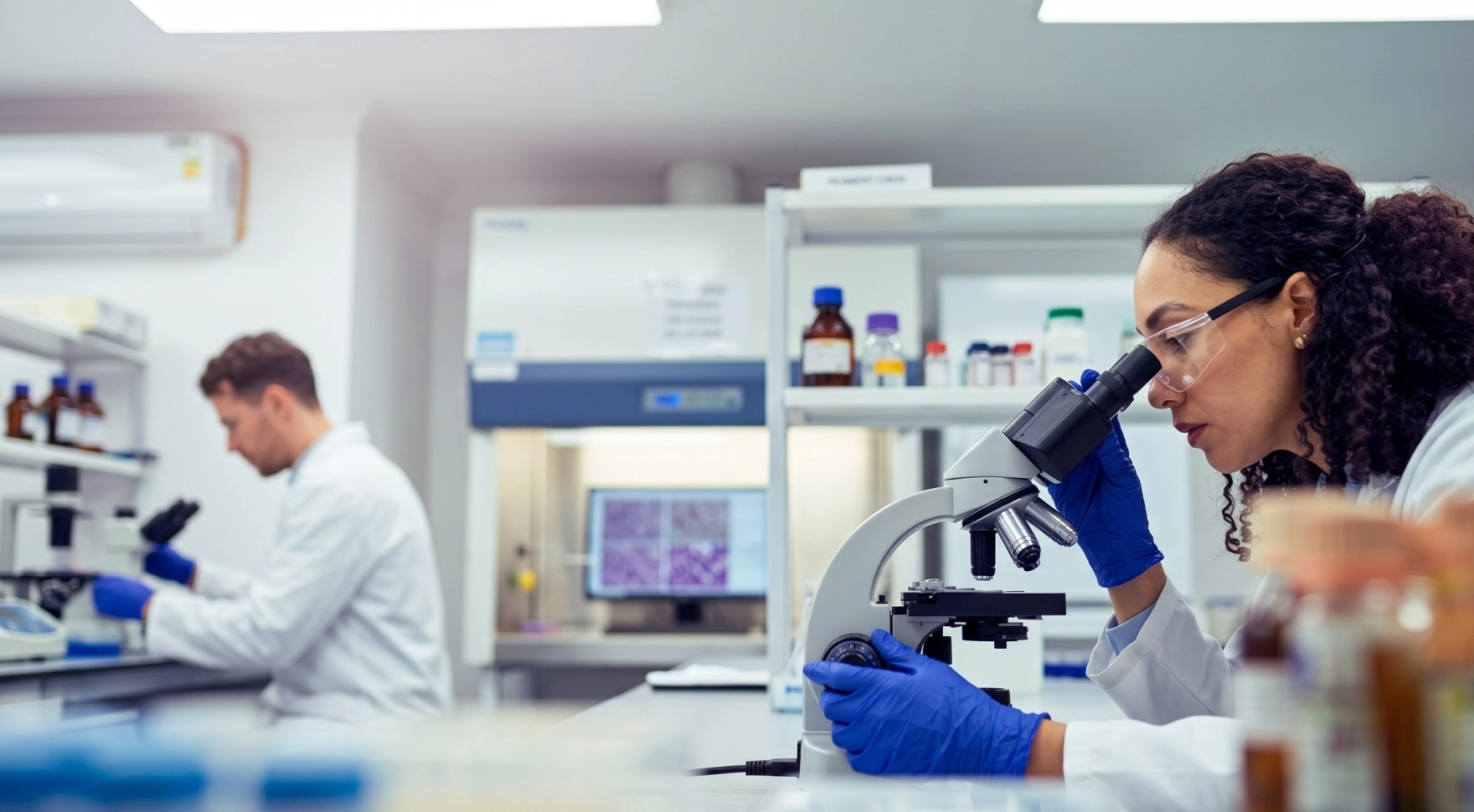
Embedded within the prestigious IRCM, our physical laboratory bridges the critical gap between in silico generation and in vitro reality.

> High-Throughput Validation

Rapid, large-scale screening of computationally engineered binders. Executing proprietary validation workflows within native cellular contexts.

> Translational Excellence

Direct integration with top-tier microscopy, genomics, proteomics, immunology, and oncology resources, enabling accelerated development pipelines.